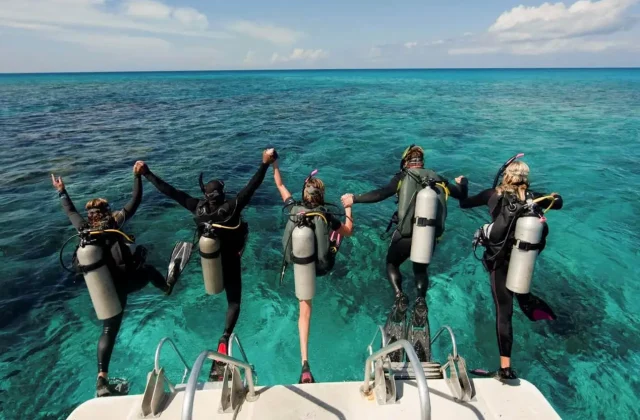
What is a Discover Scuba Diving experience?
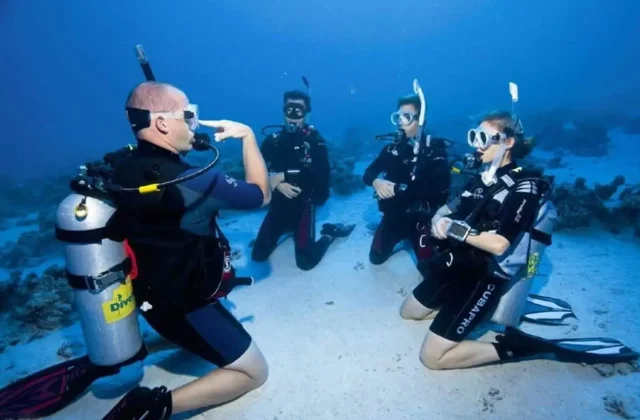
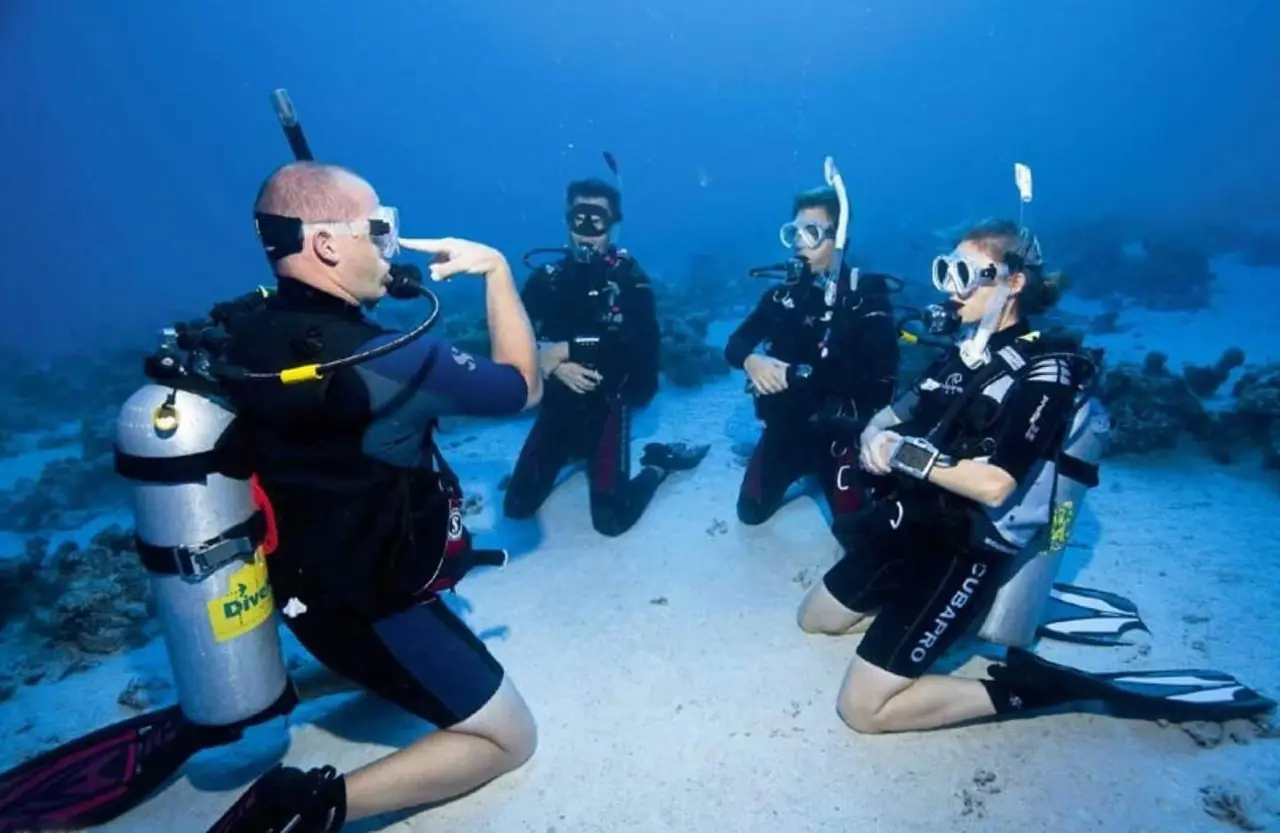
Discover Scuba Diving (DSD) is a PADI try-before-you-certify experience for people who have never dived. According to PADI, a PADI Professional supplies the equipment, teaches the basic skills and answers your questions. You take your first breaths underwater without committing to a course.
PADI's own blog states there is no such thing as a "PADI try dive" or "PADI resort course"; the formal name is Discover Scuba Diving. Operators often say "try dive" or "intro dive", so ask whether the programme follows the PADI DSD standard.
How deep can you go and how old must you be?
According to the PADI blog, the minimum age for Discover Scuba Diving is 10. The maximum depth is 6 metres (20 feet) in a pool session and 12 metres (40 feet) on an optional open-water dive. The limit is a ceiling, not a target.
Sources disagree on a single "maximum depth" because they describe different parts of the experience. One Hurghada operator's try-dive page says dives reach up to 12 metres. Its separate discover page says the second dive reaches between 3 and 6 metres. Both can be true on the day.
PADI also sets group limits: no more than eight participants in the pool and four in open water per instructor, unless another instructor or qualified dive leader assists.
What does a discovery dive not certify?
A discovery dive does not certify you. PADI describes it as an experience, not a course, and says participants cannot dive independently afterwards. You must always dive with a PADI professional. It gives you no card, no depth rating and no right to dive with a buddy.
Some operators issue a certificate of participation or register the experience with PADI, as one Hurghada operator's try-dive page says it does. That record shows you tried diving; it is not a licence. The certification that lets you dive without an instructor is the Open Water Diver course, covered in our PADI Open Water course guide.
What is required before you dive?
PADI requires a medical questionnaire before the experience, plus a theory briefing on diving basics. According to the PADI blog, a doctor's statement of fitness may be needed depending on your answers. You also need to feel comfortable in water and able to stay at the surface.
- Medical questionnaire: answer honestly; some answers can mean a physician's statement before you dive (PADI blog).
- Briefing: the PADI blog describes a theory session on diving basics, then equipment fitting and skills practice in calm water.
- Swimming: you do not need to be an Olympic swimmer, PADI says, but you should be comfortable in water.
- Flying: do not book the dive just before a flight; read how long to wait before flying after diving.
How does a discovery dive differ from snorkeling and Open Water?
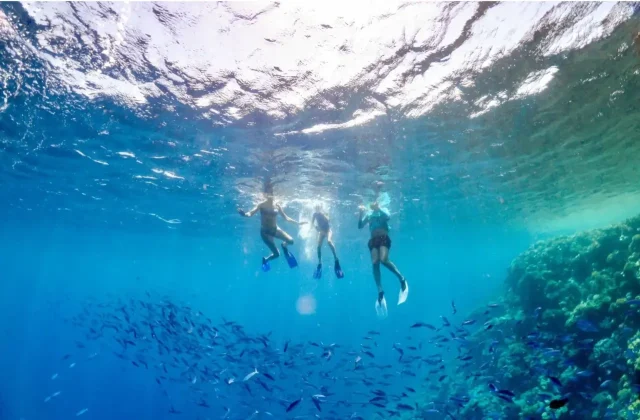
Snorkeling keeps you on the surface with a mask, snorkel and fins. A discovery dive puts you underwater breathing from a tank, always with a professional. Open Water Diver is a full certification: skills training, confined water, open-water dives, and the right to dive with a buddy to 18 metres.
| Question | Snorkeling | Discovery dive | Open Water course |
|---|---|---|---|
| Where are you? | On the surface | Underwater, with a professional | Underwater, trained to dive with a buddy |
| Certification | None | None; participation only | PADI Open Water Diver card |
| Depth limit | Surface, over the reef | 6 m pool, 12 m open water (PADI) | 18 m / 60 ft (PADI) |
| Minimum age | Ask us; children are welcome subject to safety requirements | 10 (PADI) | 10 for Junior Open Water; 15 for adult (PADI) |
| Medical form | Tell the guide about health issues | Required (PADI) | Required |
| Divers Trips product | Snorkeling trip, €45 | Full-day diving trip, €60 | PADI Open Water, price on request |
The Open Water and Junior ages come from PADI's diving restrictions page, which also limits Junior divers aged 10 to 11 to 12 metres.
Can a discovery dive count toward Open Water?
Yes, if it is arranged in advance. According to the PADI blog, a Discover Scuba Diving experience can count as the first pool session of the Open Water Diver course, and the optional open-water dive as the first dive. You must start the full course within 12 months.
Tell your instructor before the experience that you may continue. Credit is the instructor's decision, so ask us to confirm what applies to your booking.
Which should you choose?
Choose by comfort, time and goal. Snorkel if you want the reef without equipment training. Try a discovery dive if you are curious about breathing underwater. Take Open Water if you want to dive independently on future holidays.
- Travelling with non-diving family: snorkeling suits mixed groups; see snorkeling for kids and non-swimmers.
- One day to spare, curious about diving: a beginner dive on the full-day trip, subject to the dive center's requirements.
- Several days and want to dive again: start Open Water; see the PADI courses overview.
- Uneasy in water: snorkel with a vest first and decide on diving later.
- Already certified: join guided dives on the diving trips at your level.
Who should not do a discovery dive?
Do not dive if you are under 10, cannot get the medical clearance your questionnaire requires, or feel panic in water. PADI sets the age and medical conditions. If you are unsure, snorkel first and decide on diving once you are comfortable.
Also avoid it the day before a flight. If you feel unwell on the morning, tell the guide, who makes the final safety call.

How does Divers Trips handle this?
We run three products on this ladder, from a surface swim to a full certification: the snorkeling trip at €45 per person, the full-day diving trip at €60 per person, and the PADI Open Water course, price on request.
Our full-day trip page says beginners can dive subject to the dive center's requirements, with two guided dives, equipment, lunch, soft drinks and hotel pickup. It does not state a separate beginner programme or price, and we do not call it a certification. Ask us to confirm beginner depth and any fees through the booking page or contact page. Separate environmental or park fees may apply; we confirm any fee after booking.
Sources
- PADI Blog: Discover Scuba Diving FAQs
- PADI Blog: What's the difference between a try dive and Discover Scuba Diving?
- PADI Blog: PADI diving restrictions
- PADI Store: Discover Scuba Diving
- Private Scuba: Discover Scuba Diving program limitations
- Diving Around: Discover Scuba Diving Hurghada
- Diving Around: Try Dive Hurghada
Facts last verified: